
As we cross the midpoint of 2026, the initial shockwaves from the first quarter have begun to settle into a new reality. A reality of stickier inflation and a consistently volatile geopolitical environment.
If Q1 was defined by sudden geopolitical escalation and sharp energy market disruptions, Q2 has been about adaptation. The closure of the Strait of Hormuz and the resulting rise in global energy costs tested the resilience of the global economy. Even so, as we saw during the trade uncertainties of 2025, markets can absorb difficult news, recalibrate expectations, and continue moving forward.
The US economy continues to benefit from several structural advantages. Expanded natural gas export capacity is helping reduce the impact of Middle East supply constraints while also supporting key international partners. Inflation remains more persistent than many had hoped, particularly given elevated raw material and energy costs. At the same time, corporate earnings have generally held up well, underscoring the ability of high-quality companies to protect margins and adapt to a more volatile environment.
Within your portfolios, our emphasis remains on resilience and discipline. The turbulence of the first half of the year reinforced the value of our strategic positioning. Our allocations across alternatives, hedged equity, and fixed income performed the role they were intended to serve: reducing volatility, broadening diversification, and providing a measure of stability during a challenging period for equity markets.
We expect headlines to remain unsettled as the geopolitical landscape continues to evolve and the Federal Reserve adjusts under Chairman Kevin Warsh. Recent policy signals point to a potential for a higher interest rate environment than markets previously anticipated. We are monitoring these developments closely and will continue to make portfolio adjustments where appropriate.
Favorability Scale
The sliding scales below are meant to represent HFM’s current assessment of favorability of the market landscape in various investment areas as of the most recent quarter end. Our investment committee is looking to communicate to you a complicated thought process as simply as possible. The favorability scale considers the following factors: Current Yield, Growth, Value, and Market Conditions.
The information contained here should not be construed as a recommendation to purchase or sell any particular security or an assurance that any particular security held in a portfolio will remain in the portfolio or that a previously held security will not be repurchased. Securities discussed may not represent a portfolio’s specific or entire holdings. It should not be assumed that any security transactions or holdings discussed have been or will prove to be profitable or that future investment decisions will be profitable or will equal or exceed the investment performance of the securities or portfolios discussed.
Equity Favorability
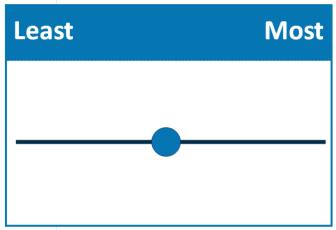
HFM Strategic Equity Positioning (Long Term)
Despite the escalation of the Iran conflict and persistent pressures within global energy markets, equities have maintained their upward momentum, supported primarily by the strong earnings resilience of market-leading companies. However, valuations remain elevated relative to historical norms. As a result, we have moderated our equity outlook to NEUTRAL.
HFM Tactical Equity Positioning (Short Term)
Large Cap
The large-cap story for the quarter was driven primarily by earnings. While aggregate sales growth met expectations, it was the strength in earnings growth that surprised to the upside. This led to a strong market reaction, with many corporate stocks—including several of our holdings—rising 20% or more following earnings releases. Despite this strength, we remain cautious, balancing an awareness of elevated valuations with a close focus on incoming earnings data. As a result, we have shifted to a NEUTRAL favorability within this segment.

Small Cap
Small-cap companies benefited from their lower direct exposure to global trade disruptions, improving earnings expectations, and continued confidence in domestic economic activity in Q2. In addition, investor sentiment improved as recession fears moderated and expectations for corporate profitability strengthened. While higher interest rates remain a challenge for some smaller companies, improving earnings trends have largely offset these concerns. With valuations still attractive relative to large-cap stocks and economic conditions remaining supportive, we are increasing our outlook from Neutral to MORE Favorable.

Cutting Edge
The market is trying to digest who will be the winners and losers of AI. The initial draw to AI was a subsidized monthly pricing model. That is giving way to an un-subsidized metered usage model. This is creating some uncertainity around AI companies and who is going to be the winner of the AI race. We continue to maintain a MORE favorable outlook in this segment.
International
While international markets started the year strong, they have faltered in Q2 with the Iran war and the strengthening of the US dollar. The best results have come from Japan after many years of stagnant economic activitiy and very strong results in Korea lead by semi conductor and computer memory suppliers. Modest low single digit results have been seen across Europe. Valued cheaper than US stocks. We remain NEUTRAL as they are overly reliant on imported energy and are more sensitive to geopolitics.

Hedged Equity
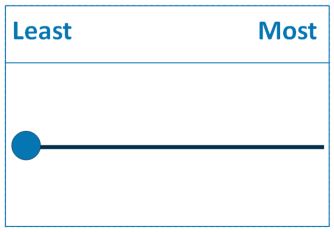
As stated in previous QMS posts, this segment has been reduced in exposure. We are investigating alternative strategies to potentially hedge parts of the overvalued sectors of the economy. We remain LEAST favorable in this segment.
Fixed Income/Bonds Favorability
HFM Strategic Fixed Income Positioning (Long Term)
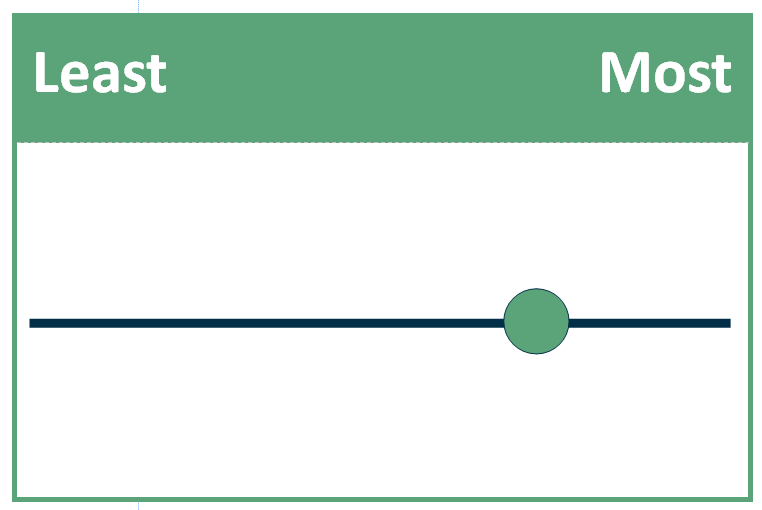
During the second quarter, concerns about inflation and geopolitical tensions kept interest rates higher than expected, leading bond yields to rise and remain attractive. Fixed income returns have been modestly positive (less than 1%) this year, supported by strong income generation of around 5%. Fixed income continues to offer decent yields but not in respect to the historic risk profile of the asset class. We still see alternatives as a better diversifier. Overall, we remain MORE favorable on Fixed Income.
HFM Tactical Fixed Income Positioning (Short Term)
Investment Grade Bonds
Investment Grade bonds continue to offer attractive yields that remain well above the levels investors experienced for much of the past decade, providing compelling income potential with relatively low volatility. While credit spreads remain tight—meaning investors are receiving less compensation for credit risk than in previous periods—underlying fundamentals remain solid. In particular, short- and intermediate-term Investment Grade bonds continue to offer a strong combination of income generation, portfolio diversification, and potential resilience amid geopolitical, energy, and policy-related uncertainties. We remain MORE favorable in this segment.

High Yield
High Yield bonds continue to offer attractive income opportunities, with yields near long-term historical averages and less sensitivity to rising interest rates than many other fixed income sectors. However, credit spreads remain tight, indicating that investors are receiving relatively little additional compensation for taking on credit risk. While overall credit quality in the sector has improved, uncertainty surrounding inflation, interest rates, and the evolving economic landscape argues for a selective approach. As a result, we continue to remain LESS favorable in this segment.
Alternatives Favorability
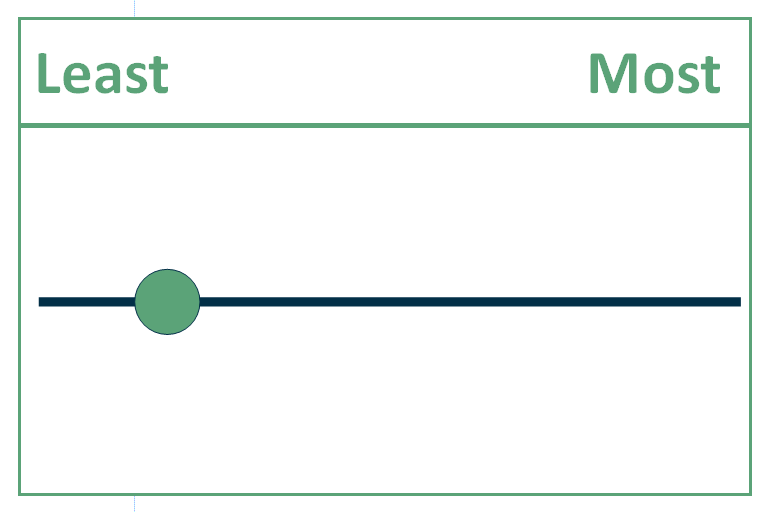
HFM Strategic Alternatives Positioning (Long Term)
Alternatives remain attractive especially in a world of high geopolitical uncertainty. The non-correlation of these investments continue to add value. We remain MOST FAVORABLE on this asset class.
